
Good hydration for bladder health means drinking enough that your urine stays pale yellow and you need to urinate every few hours, spreading that fluid across the day, and choosing water most of the time. The National Institute of Diabetes and Digestive and Kidney Diseases (NIDDK) keeps it simple: water is best, and the right amount depends on your size, how active you are and where you live. Habits matter as much as volume, so this guide covers both: how much and when to drink, which drinks to watch, and the bathroom routines that keep a bladder comfortable.
Key takeaways
- Drink enough liquids that you need to urinate every few hours, and aim for urine that is pale yellow.
- Sipping steadily through the day is easier on the bladder than drinking a large amount at once.
- Go when you need to go: regularly holding urine in can wear out the bladder muscles.
- Pain, burning, fever, blood in the urine or a sudden change in your pattern should be checked by a clinician, not self-managed.
Hydration for bladder health: how much water do you need?
There is no single number that fits everyone, which is why NIDDK suggests asking a health care professional how much liquid you should drink based on your size, activity level and climate. What you can use every day are a few simple signals. Drink enough liquids that you need to urinate every few hours, and aim for urine that is pale yellow.
- Color. Pale yellow, like straw, usually means you are drinking enough. Dark yellow or amber suggests you need more.
- Frequency. Needing to go every few hours while awake is a sign of steady intake. Long gaps can mean too little; going constantly can mean very large amounts at once or a bladder that needs a closer look.
- Thirst. Useful, but it often arrives late, especially in heat or during exercise.
One important exception from NIDDK: people with kidney failure or heart failure should not drink too much water. If you have either condition, or take a medicine that affects fluid balance, follow your clinician's limit rather than general advice.
It is tempting to drink less to make fewer bathroom trips. That backfires: very concentrated urine can irritate the bladder, and too little fluid makes constipation more likely, which also presses on the bladder.
When to drink: spreading fluid through the day
Sipping steadily through the day is easier on the bladder than drinking a large amount at once. A large amount at once fills the bladder fast and brings on urgency soon after. A steady rhythm is easier:
- On waking. A glass of water before coffee replaces what you lost overnight.
- With each meal. Meals are natural reminders; a glass with breakfast, lunch and dinner covers a lot.
- Between meals. Keep a bottle in sight at your desk or in the car and sip rather than gulp.
- With activity and heat. Drink more when you sweat, and before you feel thirsty.
- In the evening. If night-time trips wake you, many people find it helps to drink more earlier in the day and taper off in the evening rather than cutting back overall.
Which drinks are easiest on the bladder?
NIDDK names water as the best choice. Other drinks count toward your fluid, but some can bother a sensitive bladder. Our list of foods and drinks that irritate the bladder goes further; here is the short version:
| Drink | Bladder notes |
|---|---|
| Water | The best everyday choice |
| Herbal tea, milk | Usually gentle; count toward fluid |
| Coffee, black or green tea, energy drinks | Caffeine can increase urgency for some people; try smaller amounts or earlier in the day |
| Alcohol | Can increase urine output and irritate the bladder |
| Fizzy drinks, citrus juice, artificially sweetened drinks | Commonly reported irritants for sensitive bladders; notice how you respond |
The best test is personal. If you suspect a drink, cut it for a while, then bring it back and see what changes.
Bathroom habits that support a healthy bladder
Hydration is half of the routine. The other half is how you use the bathroom. NIDDK's advice includes:
- Do not hold it. Go when you need to go: regularly holding urine in can wear out the bladder muscles. NIDDK also notes that holding urine in makes a bladder infection more likely.
- Take your time. Relax the muscles around the bladder so it empties fully, rather than rushing or hovering over the seat.
- Avoid constipation. Constipation can make urinary tract health worse. Fiber from whole grains, vegetables and fruit, enough water and regular activity all help.
- Train the pelvic floor. Pelvic floor muscle exercises help hold urine in the bladder.
- Do not smoke. Smoking raises the chance of stress incontinence because it causes coughing, and some people say it makes bladder irritation worse.
If you are unsure what is normal for you, keep a simple bladder diary: what you drink, when you go and any urgency or leaks. NIDDK suggests keeping one for 2 to 3 days before you see a health care professional, and the diary is useful to bring to that appointment.
Where a supplement fits
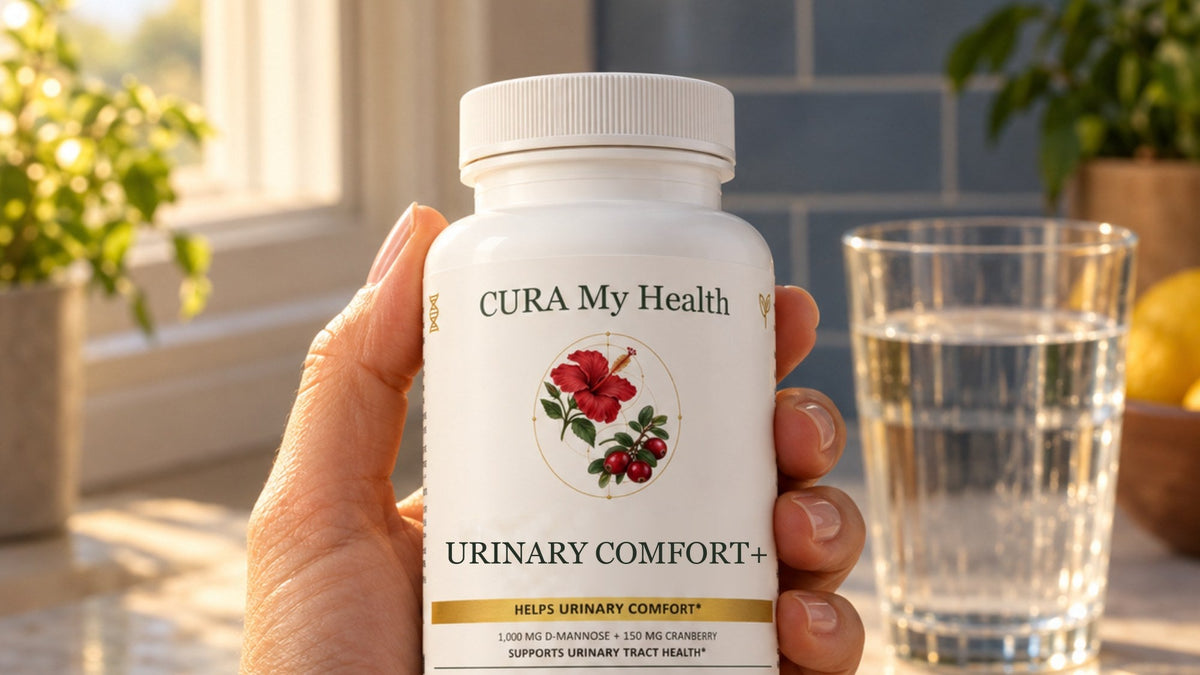
A supplement sits on top of these habits; it never replaces them. If you want one in your routine, Urinary Comfort+™ is formulated to support urinary tract health, promote a healthy bladder environment and encourage natural detoxification and fluid balance.* Its label direction even builds in a glass of water: two veggie capsules once a day, 20 to 30 minutes before a meal, with an 8 fl oz glass of water. The label's caution reads: "Do not exceed recommended dose. Pregnant or nursing mothers, children under the age of 18, and individuals with a known medical condition should consult a physician before using this or any dietary supplement." The label also says: "Keep out of reach of children. Do not use if safety seal is damaged or missing. Store in a cool, dry place." Our guide on when to take D-mannose turns that into a daily routine. Every batch is third-party tested for purity and potency (our standards).
Signs that should not be self-managed
Pain, burning, fever, blood in the urine or a sudden change in your pattern should be checked by a clinician, not self-managed. See a doctor or nurse promptly for:
- Burning or pain when you urinate
- Fever, chills, or pain in your back or side
- Blood in the urine, or urine that looks cloudy or smells strong
- A sudden, lasting change in how often or how urgently you need to go
- Leaks that affect your daily life
- Any urinary symptoms during pregnancy
None of these are a reason to drink more or add a supplement first. They are a reason to get checked.
Frequently asked questions about hydration for bladder health
Does drinking more water help bladder health?
Drinking enough, rather than as much as possible, is the goal. Aim for pale yellow urine and needing to go every few hours. People with kidney or heart failure should follow their clinician's fluid limit.
Is it bad to drink a lot of water before bed?
It is not harmful for most people, but a large drink late in the evening often means a night-time trip. Many people drink more earlier in the day and taper off in the evening.
Does coffee count toward hydration?
Coffee and tea are mostly water and count toward your fluid, but caffeine can increase urgency for some people. If your bladder is sensitive, try less caffeine or have it earlier in the day.
How often should you urinate in a day?
Needing to go every few hours while awake is typical when you drink steadily. A sudden or lasting change in your pattern, or urgency that disrupts your day, is worth raising with a clinician.
Can a supplement replace drinking water?
No. Fluids and bathroom habits do the everyday work. A supplement such as Urinary Comfort+ is designed to add to those habits, and its own label asks you to take it with a glass of water. Its label caution reads: "Do not exceed recommended dose. Pregnant or nursing mothers, children under the age of 18, and individuals with a known medical condition should consult a physician before using this or any dietary supplement." The label also says: "Keep out of reach of children. Do not use if safety seal is damaged or missing. Store in a cool, dry place."
Related reading from our Wellness Hub
- Foods and Drinks That Irritate the Bladder: A Practical List
- Everyday Habits for Urinary Comfort (Beyond Supplements)
- When to Take D-Mannose: How to Take Urinary Comfort+ With Water
- D-Mannose vs. Cranberry: How They Differ for Urinary Wellness
Sources
- NIDDK: Prevention of Bladder Control Problems (Urinary Incontinence) & Bladder Health, last reviewed July 2021
- NIDDK: Symptoms & Causes of Bladder Infection in Adults, last reviewed April 2024
- NIDDK: Diagnosis of Bladder Control Problems (Urinary Incontinence), last reviewed July 2021
Individual results vary.
*These statements have not been evaluated by the Food and Drug Administration. This product is not intended to diagnose, treat, cure, or prevent any disease.

