
Soluble vs. insoluble fiber comes down to one question: what happens when the fiber meets water? Soluble fiber dissolves into a soft gel that slows digestion, while insoluble fiber stays intact and adds bulk that helps keep things moving. Most whole plant foods contain some of both, and most of us need more of each than we get. Below is what each type does, where to find it, how much to aim for, and where a fiber-and-botanical capsule like Botanical Detox+™ fits into a daily routine.
Key takeaways
- Soluble fiber dissolves in water and forms a gel, while insoluble fiber does not dissolve and adds bulk.
- Most adults in the U.S. eat far less fiber than the 2020-2025 Dietary Guidelines recommended.
- Raise fiber slowly and drink more water as you go.
- Food comes first; a capsule adds a small amount of fiber, not a day's worth.
What is the difference between soluble and insoluble fiber?
Dietary fiber is the part of plant food your body cannot fully break down. Instead of being absorbed in the small intestine, it travels on to the large intestine, where it shapes digestion in two different ways. Soluble fiber dissolves in water and forms a gel, while insoluble fiber does not dissolve and adds bulk.
That single difference explains most of what each type is known for. The gel from soluble fiber slows how quickly food leaves the stomach and how quickly sugars are absorbed. The bulk from insoluble fiber holds on to water and helps stool move through the gut at a comfortable pace. You do not need to pick one over the other. A varied plate of plants supplies both.
| Fiber type | In water | Good food sources | Best known for |
|---|---|---|---|
| Soluble | Dissolves into a gel | Oats, barley, beans, lentils, apples, citrus, psyllium | Slower digestion, steadier after-meal blood sugar, healthy cholesterol levels |
| Insoluble | Stays intact, adds bulk | Wheat bran, whole grains, nuts, seeds, vegetable and fruit skins | Regularity and stool bulk |
| Fermentable (mostly soluble) | Feeds gut bacteria | Onions, garlic, leeks, asparagus, chicory root (inulin), slightly green bananas | Supporting a healthy balance of gut bacteria |
What does soluble fiber do?
When soluble fiber meets water in the gut, it thickens into a gel. That gel slows the rate at which the stomach empties, which is one reason a bowl of oatmeal tends to keep you full longer than a bowl of refined cereal. It also slows how fast carbohydrates are absorbed, and soluble fiber is studied for its role in steadier blood sugar after meals.
Soluble fiber is also studied for its role in maintaining healthy cholesterol levels already within a normal range. Part of the reason appears to be that the gel binds some bile acids in the gut, so the body draws on cholesterol to make more. Oats, barley and psyllium husk are good sources of soluble fiber.
Many soluble fibers are also fermentable. Inulin, found in chicory root, onions and garlic, is a well-known example. Beneficial bacteria in the large intestine ferment these fibers and produce short-chain fatty acids, which help nourish the cells that line the colon. This is why fermentable fibers are often called prebiotics. If you want the food side of that story, our guide to daily gut health habits covers fermented foods and fiber together.
What does insoluble fiber do?
Insoluble fiber is the structural part of plants: the bran on a wheat kernel, the skin on an apple, the strings in celery. It does not dissolve, so it passes through largely unchanged. Along the way it holds water and adds bulk, which supports regularity and helps stool move through the digestive tract comfortably.
Whole grains, nuts, seeds, beans and the skins of fruits and vegetables are good sources of insoluble fiber. A simple habit helps here: eat the peel when it is edible, and choose whole-grain bread, pasta and rice over refined versions when you can.
How much fiber do you need per day?
The 2020-2025 Dietary Guidelines for Americans set fiber goals at about 14 grams for every 1,000 calories eaten, which for most adults works out to roughly 22 to 34 grams a day, depending on how much food you need. The newer 2025-2030 edition says to prioritize fiber-rich whole grains but sets no gram target. Most adults in the U.S. eat far less than the 2020-2025 goals: MedlinePlus puts the U.S. average at about 16 grams a day.
The good news is that the gap closes quickly with whole foods. Here are some approximate amounts from common foods, based on USDA FoodData Central:
- Half a cup of cooked lentils: about 8 grams
- One cup of raspberries: about 8 grams
- Half a cup of cooked black beans: about 7 to 8 grams
- One medium pear with the skin: about 5 to 6 grams
- One cup of cooked oatmeal: about 4 grams
- One tablespoon of chia seeds: about 4 grams
- One ounce of almonds: about 3 to 4 grams
Oatmeal with berries and chia at breakfast, a lentil soup at lunch, and a pear with a handful of almonds in the afternoon can bring a day close to 30 grams before dinner even starts.
How can you add fiber without discomfort?
Fiber is easy to overdo when you start. A sudden jump can bring gas, bloating and cramping, especially with fermentable fibers like inulin, because gut bacteria need time to adjust. Raise fiber slowly and drink more water as you go.
- Add a little each week. One extra serving of beans, fruit or whole grains every few days is plenty.
- Spread it across the day. Fiber at every meal sits easier than one very large serving.
- Drink water with it. Both types of fiber work with water, and gel-forming fibers such as psyllium need a full glass of liquid.
- Space it from medicines. Fiber can slow how some medicines are absorbed, so if you take a prescription, ask your pharmacist about timing.
Meet Botanical Detox+: fiber and botanicals in one capsule

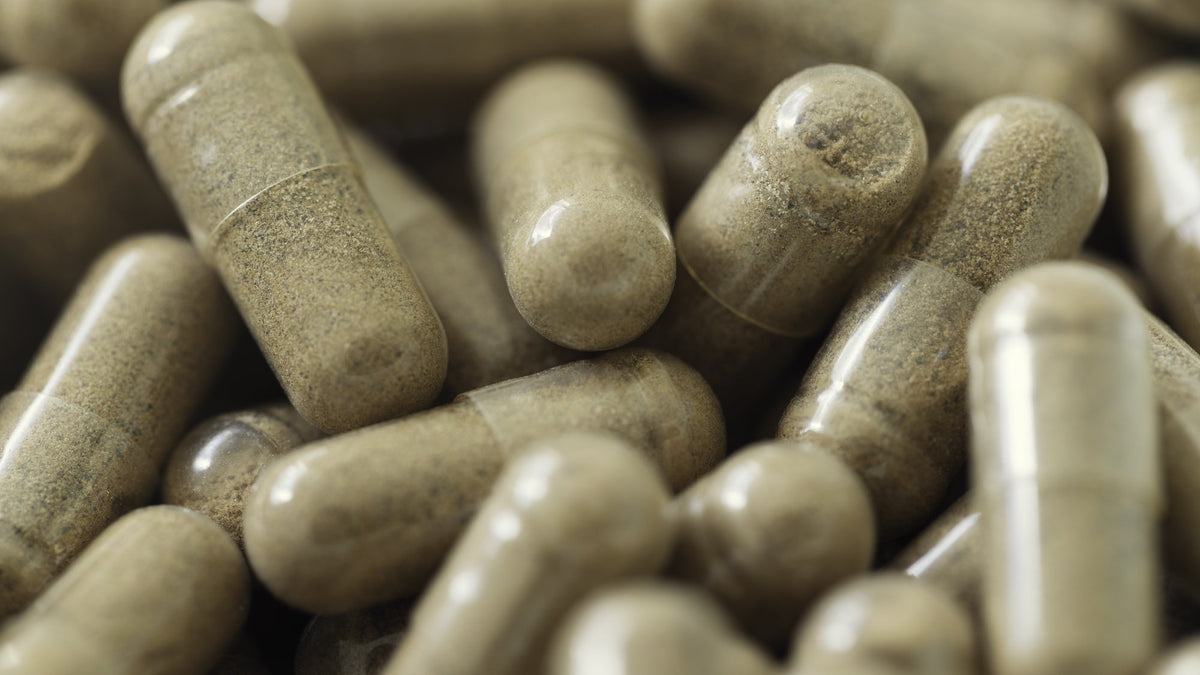
Botanical Detox+ is an acai berry complex that pairs two fibers, psyllium husk and inulin, with fruits and herbs. In fiber terms, psyllium is a gel-forming soluble fiber and inulin is a fermentable soluble fiber, so the formula leans toward the soluble side of the table above. The other ingredients are acai berry, slippery elm bark, cape aloe leaf, chlorella, black walnut hull, ginger root, hyssop, papaya and lycopene.
Each two-capsule serving provides a 1,532 mg proprietary formula. The label names every ingredient in the formula. Blend totals are on the label; the amounts inside each blend are not.
Here is the honest part. Food should come first, because a capsule adds only a small amount of fiber, not a full day's worth. A day's fiber target is measured in grams, and the whole two-capsule formula weighs a little over one and a half grams, shared across eleven ingredients. Think of Botanical Detox+ as a botanical complement to a fiber-rich plate, not a substitute for beans, oats and vegetables.
How to take it: the label directs two capsules once a day, taken as one capsule during the day and one capsule in the evening, with no more than two capsules in a day. Take each capsule with at least a full glass of liquid. Cape aloe leaf contains aloin, a stimulant laxative, which is one more reason to stay at the label amount.
Good to know: Botanical Detox+ contains tree nuts (black walnut hull). Eating this product without enough liquid may cause choking, and it is not for anyone who has difficulty swallowing. If you are pregnant or nursing, under 18, or have a known medical condition, talk with your doctor before using it or any dietary supplement. Botanical Detox+ contains inulin, and Harvard's Nutrition Source notes that "people with irritable bowel syndrome may be sensitive to these fibers that can cause bloating or stomach upset." Mayo Clinic notes that your healthcare professional may ask you to eat less fiber for a time after surgery on the stomach or intestines, during flare-ups of Crohn's disease or ulcerative colitis, during a bout of diverticulitis, if you have narrowed intestines (strictures), during radiation therapy, if you have gastroparesis, and before a colonoscopy. Mayo also says to check with your healthcare professional before taking fiber supplements such as psyllium.
Why the quality matters: every batch is third-party tested by an outside lab for purity and potency. Botanical Detox+ is manufactured in USA with globally sourced materials, in an NSF-certified, GMP-certified, FDA-registered U.S. facility. It is caffeine-free, vegan and made without synthetic dyes, and it comes with a 60-day guarantee. You can read how every batch of our supplements is tested on our standards page.
Frequently asked questions about soluble and insoluble fiber
Is psyllium soluble or insoluble fiber?
Psyllium husk is mostly soluble fiber. It absorbs water and forms a thick gel, which is why it always needs to be taken with plenty of liquid. It also carries a smaller share of insoluble fiber, so it adds some bulk as well.
Which type of fiber is better for regularity?
Both help, in different ways. Insoluble fiber adds bulk and helps stool move along, while gel-forming soluble fiber such as psyllium holds water and softens stool. A mix from whole grains, fruit, vegetables and beans, plus enough water, gives you both.
Is inulin a prebiotic?
Yes. Inulin is a fermentable soluble fiber found in chicory root, onions, garlic and leeks. Beneficial gut bacteria ferment it and produce short-chain fatty acids, which is what makes it a prebiotic. Start with small amounts, because fermentable fibers can cause gas at first.
Can a fiber supplement replace fiber from food?
Not fully. Fiber-rich foods also bring vitamins, minerals, protein and plant compounds that no capsule copies. A supplement can help fill a small gap, but the bulk of a day's fiber should come from plants on your plate.
How should I take Botanical Detox+?
The label directs two capsules once a day: one capsule during the day and one capsule in the evening. Do not exceed two capsules per day. The label's notice reads: "This food should be eaten with at least a full glass of liquid. Eating this product without enough liquid may cause choking. Do not eat this product if you have difficulty in swallowing." It contains tree nuts (black walnut hull), so skip it if you have a tree nut allergy. If you are pregnant or nursing, under 18, or have a known medical condition, consult a physician before using this or any dietary supplement. Botanical Detox+ contains inulin, and Harvard's Nutrition Source says "people with irritable bowel syndrome may be sensitive to these fibers that can cause bloating or stomach upset." It also contains psyllium. Mayo Clinic says to check with your healthcare professional before taking fiber supplements such as psyllium, and that you may be asked to eat less fiber for a time after surgery on the stomach or intestines, during flare-ups of Crohn's disease or ulcerative colitis, during a bout of diverticulitis, with narrowed intestines (strictures), during radiation therapy, with gastroparesis, and before a colonoscopy.
Related reading from our Wellness Hub
- Daily Gut Health Habits: Foods, Fiber, and Where a Probiotic Fits
- Do 'Detox' and Cleanse Supplements Work? A Realistic Guide
- How to Read a Supplement Certificate of Analysis (COA)
Sources
- MedlinePlus (U.S. National Library of Medicine): Fiber
- Harvard T.H. Chan School of Public Health, The Nutrition Source: Fiber
- U.S. Department of Agriculture and U.S. Department of Health and Human Services: Dietary Guidelines for Americans, 2020-2025, 9th edition, December 2020
- U.S. Department of Agriculture and U.S. Department of Health and Human Services: Dietary Guidelines for Americans, 2025-2030, January 2026
- U.S. Food and Drug Administration: Questions and Answers on Dietary Fiber
- Mayo Clinic: Dietary fiber: Essential for a healthy diet
Individual results vary.
These statements have not been evaluated by the Food and Drug Administration. This product is not intended to diagnose, treat, cure, or prevent any disease.

