
How do you keep your liver healthy? Mostly with everyday habits: keep alcohol moderate or skip it, eat a fiber-rich, plant-forward diet with fewer added sugars and ultra-processed foods, stay active, keep a healthy weight, take medicines only as directed, and get regular check-ups. Your liver already does its own cleaning every day; the job of your routine is to avoid overloading it and to give it what it needs. Here are the habits that matter most, in plain language.
Key takeaways
- Your liver does its own detox work every day, and the goal of a liver-friendly routine is to avoid overloading it.
- Alcohol is processed almost entirely by the liver, so drinking less is one of the most direct ways to support it.
- A plant-forward diet with plenty of fiber and fewer added sugars helps keep fat from building up in the liver.
- Over-the-counter pain relievers and herbal products are processed by the liver too, so take them only as directed.
What does your liver do?
Your liver is the largest internal organ, tucked under your ribs on the right side. It has hundreds of jobs: it processes nutrients from food, stores energy as glycogen, makes bile to digest fats, builds proteins, and filters the blood to break down alcohol, medicines and the waste products of normal metabolism. Your liver does its own detox work every day, and the goal of a liver-friendly routine is to avoid overloading it.
The liver is also remarkably resilient and can repair itself, which is good news: the habits below make a real difference over months and years.
How does alcohol affect the liver?
The liver processes almost all of the alcohol you drink, so cutting back is one of the most direct ways to support it. As the liver breaks alcohol down, it produces by-products that stress liver cells, and heavy drinking over time can cause fat to build up and inflammation to develop. The National Institute on Alcohol Abuse and Alcoholism describes the liver as one of the organs most affected by drinking.
- If you drink, the Dietary Guidelines for Americans advise keeping it moderate, and drinking less is better for health than drinking more.
- Plan several alcohol-free days each week.
- Avoid binge drinking: several drinks in one sitting is harder on the liver than the same amount spread out.
- Never mix alcohol with medicines that warn against it.
Which foods support a healthy liver?
Eating plenty of plants and fiber, with fewer added sugars, helps keep fat from building up in the liver. No single "liver food" does the work; the overall pattern is what counts.
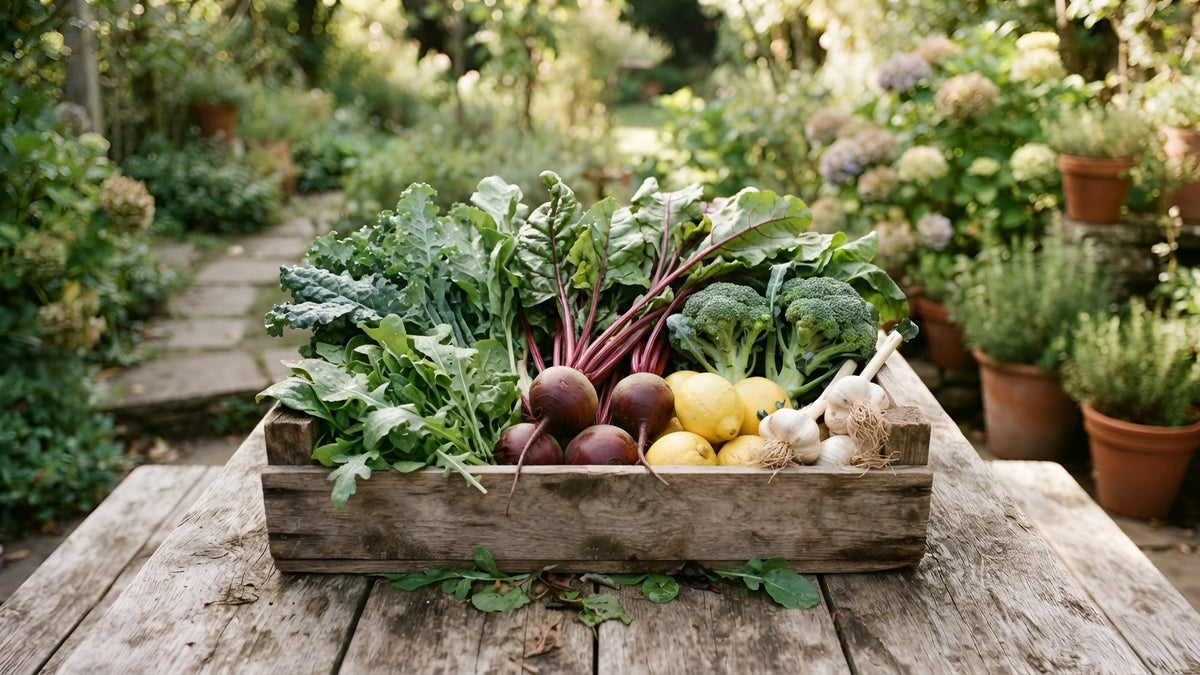
- Vegetables and fruit at most meals, including bitter greens such as arugula, endive and dandelion greens.
- Whole grains, beans and lentils for fiber, which helps with digestion and steady blood sugar.
- Healthy fats from olive oil, nuts, seeds and fatty fish, in place of fried foods.
- Fewer added sugars, especially sugary drinks; fructose in large amounts is processed by the liver and can be turned into fat.
- Fewer ultra-processed foods and less red and processed meat.
- Enough protein from fish, poultry, eggs, beans and dairy. Eggs are also a top source of choline, a nutrient the liver uses to move fat out.
Does drinking water help the liver?
Water does not "flush" the liver, but staying well hydrated supports digestion, circulation and the kidneys, which work alongside the liver to clear waste. Water in place of sugary drinks is one of the simplest liver-friendly swaps you can make.
Why movement and a healthy weight matter
Extra body fat, especially around the waist, tends to go hand in hand with extra fat stored in the liver. Regular activity helps the body use fat and sugar for fuel, and even modest weight loss in people who need it can improve how the liver handles fat.
- Aim for at least 150 minutes a week of moderate activity such as brisk walking, as the CDC recommends for adults.
- Add muscle-strengthening activity on two days a week.
- Break up long periods of sitting with short walks.
- Pair activity with the food changes above; the two work best together.
Medicines and supplements: use them as directed
Over-the-counter pain relievers and herbal products are processed by the liver too, so take them only as directed. Acetaminophen, found in many cold and pain products, is safe at label doses but can harm the liver in larger amounts, and it shows up in more products than people realise. Read labels, avoid doubling up, and never combine it with heavy drinking.
The same care applies to supplements. Choose products with clear labels and independent testing, stay within the serving on the label, and tell your doctor and pharmacist about everything you take.
Sleep, stress and check-ups
Seven or more hours of sleep and ways to manage stress support healthy metabolism, appetite and weight, all of which affect the liver. Routine check-ups matter too: your doctor can include simple blood tests of liver function and advise you based on your health history. See your doctor if you notice yellowing of the skin or eyes, dark urine, ongoing tiredness or discomfort under your right ribs.
Where does a liver supplement fit?
A supplement is the smallest part of this picture, and it never replaces the habits above. Some people like to add a daily botanical formula built on traditional liver herbs. Milk thistle is the best known; NCCIH notes it is generally well tolerated, with mixed research results.
Our Liver+™ combines 200 mg of milk thistle seed with artichoke, dandelion, chicory, beetroot, choline and zinc. It supports healthy liver function and digestive health and is a good source of antioxidants.* Blend totals are on the label; the amounts inside each blend are not. Every batch is third-party tested for purity and potency, and it is manufactured in USA with globally sourced materials in an NSF-certified, GMP-certified, FDA-registered facility; see Our Standards. If you take prescription medicines, ask your doctor or pharmacist before adding it.
A simple liver-friendly checklist
- Several alcohol-free days a week, and no binge drinking.
- Vegetables or fruit at most meals; whole grains and beans most days.
- Water in place of sugary drinks.
- 150 minutes of brisk activity a week, plus two strength sessions.
- Medicines and supplements only as directed, with labels read.
- Seven or more hours of sleep, and regular check-ups.
Frequently asked questions about keeping your liver healthy
What is the best thing you can do for your liver?
For most people, keeping alcohol low and eating a fiber-rich, plant-forward diet with fewer added sugars make the biggest difference, followed by regular activity and a healthy weight.
Do liver detox cleanses work?
Your liver clears waste on its own every day, and there is little evidence that short cleanses improve on that. Steady daily habits do far more than a few days of juices or a cleanse kit.
Is coffee good or bad for the liver?
Moderate coffee, without lots of added sugar, is part of many healthy diets and is being studied for its links to liver health. If you drink coffee, keep it moderate and skip the sugary syrups.
Which vegetables are good for the liver?
Leafy greens, bitter greens such as arugula and dandelion greens, cruciferous vegetables like broccoli and Brussels sprouts, beets and artichokes all fit a liver-friendly diet. Variety matters more than any single vegetable.
How long does it take to improve liver health?
The liver responds to steady change over weeks and months. Cutting back on alcohol and added sugars, moving more and keeping a healthy weight are habits to keep for the long term, not a short reset.
Related reading from our Wellness Hub
- Milk Thistle and Liver Health: What Silymarin Actually Does
- Do 'Detox' and Cleanse Supplements Work? A Realistic Guide
- Soluble vs. Insoluble Fiber: What Each Does and How to Get Enough
Sources
- Dietary Guidelines for Americans
- NIAAA: Alcohol's Effects on the Body
- CDC: Adult Activity, An Overview
- MedlinePlus: Acetaminophen
- NCCIH: Milk Thistle
- NIH Office of Dietary Supplements: Choline
Individual results vary.
*These statements have not been evaluated by the Food and Drug Administration. This product is not intended to diagnose, treat, cure, or prevent any disease.

