
The main nutrients for hair, skin and nails are protein, biotin, vitamin C, zinc, iron and the B vitamins folate and B12. Protein supplies the building blocks of keratin and collagen; vitamin C is required to make collagen; zinc and the B vitamins support new cell growth; and iron carries oxygen to fast-growing tissue. Most adults can meet these needs with food, and a supplement matters most when one of them runs short.
Key takeaways
- Hair and nails are made mostly of keratin and skin depends on collagen, and both proteins are built from the protein you eat.
- Vitamin C is required for the body to make collagen.
- Low iron stores and low zinc have both been linked with hair changes in research reviews.
- Biotin deficiency is rare, so extra biotin matters most for people who are low.
- A supplement fills gaps; it does not replace a varied diet with enough protein.
Nutrients for hair, skin and nails at a glance
The table lists each nutrient's main job and good food sources, with adult daily targets from the NIH Office of Dietary Supplements.
| Nutrient | Main job | Adult daily target | Good food sources |
|---|---|---|---|
| Protein | Building blocks for keratin and collagen | At least 0.8 g per kg of body weight | Fish, poultry, eggs, dairy, beans, lentils |
| Biotin (B7) | Coenzyme in fat, carbohydrate and protein metabolism | 30 mcg (Adequate Intake) | Eggs, meat, fish, seeds, nuts, sweet potato |
| Vitamin C | Required to make collagen; antioxidant | 75 to 90 mg | Citrus, peppers, kiwi, strawberries, broccoli |
| Zinc | Protein and DNA synthesis, cell division | 8 to 11 mg | Oysters, beef, poultry, beans, nuts, whole grains |
| Iron | Part of hemoglobin, which carries oxygen | 8 to 18 mg, depending on sex and life stage | Red meat, seafood, beans, lentils, spinach, fortified cereal |
| Folate and B12 | New cell formation and red blood cells | 400 mcg DFE folate; 2.4 mcg B12 | Leafy greens and beans (folate); fish, meat, eggs, dairy (B12) |
Protein: the raw material
Hair and nails are made mostly of keratin and skin depends on collagen, and both proteins are built from the protein you eat. Collagen is the most abundant protein in the body, and your body assembles it from amino acids such as glycine and proline. The National Academy of Medicine recommends at least 0.8 grams of protein per kilogram of body weight a day. Very low protein intake or rapid weight loss can show up in hair and nails.
Spreading protein across meals, with a palm-sized portion of fish, poultry, eggs, dairy, tofu or beans, covers most needs. Collagen supplements are one more protein source; our article Do Collagen Supplements Actually Work? looks at what research on them shows.
Biotin: a helper, not a building block
Biotin is vitamin B7. It acts as a coenzyme that helps enzymes process fats, carbohydrates and protein. Signs of deficiency include thinning hair, skin rashes and brittle nails, which is why biotin became the face of beauty supplements. Biotin deficiency is rare, so extra biotin matters most for people who are low. A 2017 review found that reported benefits for hair and nails came from people with a deficiency or a specific condition. High-dose biotin can also interfere with some laboratory tests, so mention it before any blood work.
Vitamin C: the collagen cofactor
Vitamin C is required for the body to make collagen. It is a cofactor for the enzymes that stabilize collagen fibers, and it also acts as an antioxidant and helps the body absorb iron from plant foods. Adults need 75 to 90 mg a day, an amount that one orange plus a serving of peppers or broccoli easily covers. People who smoke need about 35 mg more a day.
Zinc and iron: the minerals hair notices
Low iron stores and low zinc have both been linked with hair changes in research reviews. Both minerals also have upper limits, so more is not better.
Zinc
Zinc is needed for the activity of hundreds of enzymes and plays a role in protein and DNA synthesis, wound healing and cell division. Adults need 8 to 11 mg a day. Oysters are the richest source, followed by red meat, poultry, beans, nuts and whole grains. The adult upper limit is 40 mg a day from all sources.
Iron
Iron is part of hemoglobin, the protein in red blood cells that carries oxygen to tissues, including hair follicles. Needs range from 8 to 18 mg a day for adults depending on sex and life stage, and people who menstruate, eat a plant-based diet or donate blood often are more likely to run low. Iron from meat and seafood is absorbed more easily than iron from plants; pairing plant sources with vitamin C helps. Because too much iron is harmful, have your levels checked before taking extra on your own.
The B vitamins and the supporting cast
Folate and vitamin B12 are needed to make DNA and new cells, including red blood cells, so they matter for any tissue that renews quickly. Adults need 400 mcg DFE of folate and 2.4 mcg of B12 a day. People who eat no animal foods need a reliable B12 source, because it is found naturally only in animal products.
Other nutrients round out the picture: vitamin A supports normal cell growth, vitamin D helps the body use calcium, and vitamin E acts as an antioxidant.
Food first, then fill the gaps
A supplement fills gaps; it does not replace a varied diet with enough protein. A simple check:
- Do you eat a protein food at most meals?
- Do you eat fruit or vegetables rich in vitamin C every day?
- Do you eat red meat, seafood or beans several times a week for iron and zinc?
- If you eat no animal foods, do you have a reliable B12 source?
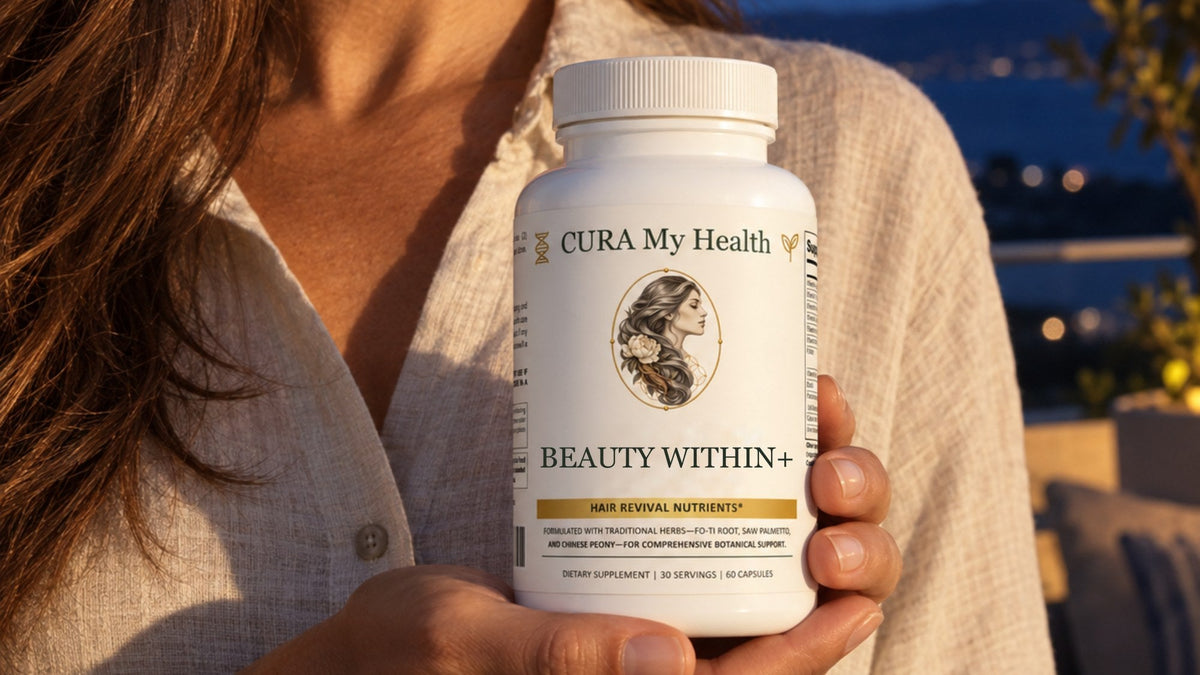
If several answers are no, or your diet is limited, a hair, skin and nail formula can help cover the micronutrients. Beauty Within+™ combines biotin with vitamins, minerals, and a botanical blend that includes horsetail rather than presenting biotin as a stand-alone answer. Each 2-capsule serving provides 5,000 mcg of biotin, 120 mg of vitamin C, 7 mg of zinc, 14.5 mg of iron and 20 mcg of vitamin D, plus B vitamins and a 359 mg botanical blend; the label directs adults to take two capsules daily and not to exceed the recommended dose. Blend totals are on the label; the amounts inside each blend are not. Every line of the panel is explained in Hair, Skin and Nails Label Explained.
The formula contains iron and soy, and its botanical blend includes barley grass, which contains gluten. Its vitamin D3 is sourced from lanolin and its vitamin A beadlets are of animal origin, so it is not suitable for a plant-based diet. IRON WARNING: Accidental overdose of iron-containing products is a leading cause of fatal poisoning in children under six (6). In case of accidental overdose, call a doctor or poison control center immediately. High-dose biotin can also interfere with some laboratory tests; share the full label with your clinician and laboratory team.
For collagen itself, Collagen Complex+ provides a multi-source collagen blend; it contains fish (cod) and egg. Both formulas are third-party tested, every batch, for purity and potency; read our standards.
Frequently asked questions about nutrients for hair, skin and nails
What vitamin deficiency causes brittle nails?
Brittle nails have many causes, including frequent wetting and drying, nail polish remover and simple aging of the nail. Low iron and, rarely, low biotin are among the nutritional links. If brittle nails come with fatigue or other changes, ask a clinician to check your iron.
Do I need biotin if I eat a normal diet?
Most people who eat a varied diet get enough biotin from food, and deficiency is rare. Extra biotin shows the clearest benefit in people who are low. If you take a high-dose biotin product, tell your clinician before blood work.
Which foods are best for hair, skin and nails?
Eggs, fish, lean meat, beans, nuts, seeds, citrus and leafy greens cover protein, biotin, vitamin C, zinc and iron between them. A plate built from these most days does more than any single supplement.
Can too much of a nutrient harm hair?
Yes. Very high intakes of some nutrients, such as vitamin A or selenium, have been linked with hair loss, and iron and zinc both have upper limits. Add up the amounts across every supplement you take.
Is collagen a nutrient?
Collagen is a protein rather than a vitamin or mineral, so it counts toward your protein intake. Your body digests it into amino acids and peptides and uses them alongside the protein from food. Vitamin C is needed to turn those building blocks into new collagen.
Related reading from our Wellness Hub
- Biotin vs Collagen for Hair, Skin and Nails: How They Differ
- Hair Thinning: Why It Happens and What Helps
- How Long Do Hair, Skin and Nail Supplements Take to Work?
Sources
- Harvard T.H. Chan School of Public Health, The Nutrition Source: Protein
- Harvard T.H. Chan School of Public Health, The Nutrition Source: Collagen
- NIH Office of Dietary Supplements: Biotin, Fact Sheet for Health Professionals
- NIH Office of Dietary Supplements: Vitamin C, Fact Sheet for Health Professionals
- NIH Office of Dietary Supplements: Zinc, Fact Sheet for Health Professionals
- NIH Office of Dietary Supplements: Iron, Fact Sheet for Health Professionals
- NIH Office of Dietary Supplements: Vitamin B12, Fact Sheet for Health Professionals
- Almohanna HM, et al. The Role of Vitamins and Minerals in Hair Loss: A Review. Dermatol Ther. 2019
- Patel DP, et al. A Review of the Use of Biotin for Hair Loss. Skin Appendage Disord. 2017
Individual results vary.
These statements have not been evaluated by the Food and Drug Administration. This product is not intended to diagnose, treat, cure, or prevent any disease.

